Yellow separator

The Surprising Connection Between Labor Day and the Railroads

posted

August 24, 2026

Category

Tracking our history logo TransparentAs America celebrates its 250th anniversary, it feels like the right moment to look back at the infrastructure that helped shape a young nation into something far greater than the sum of its parts. In Northeast Ohio, that story runs through the heart of Cuyahoga Valley National Park, where the historic Ohio & Erie Canal and the Cuyahoga Valley Scenic Railroad trace a shared path through time.

When one thinks of the genesis of Labor Day, one might be drawn to the strong industrial labor movements of the late 19th century but you might be surprised to learn that the railroad business was front and center in the movement which resulted in the creation of what we now call Labor Day.

History tells us that the first major Labor Day celebration was held in New York City on September 5, 1882 with a parade of workers representing a myriad of trades. By the late 1880s, numerous states had adopted Labor Day as a holiday.

05ctvrwad1898

Advertisement showing the timetable for trains on the Cleveland, Terminal and Valley Railway (formerly the Valley Railway) in Ohio, in the United States in September 1898. From Wikimedia Commons.

Independence
Like all three depots, this depot again goes back to the Valley Railway. The National Park Service specifically lists Independence among the communities that had Valley railway depots in the 1880s.This location is considered the northern end of the Cuyahoga Valley and was a natural location to serve both Cleveland and Akron. The geography here was important as trains could leave the Cleveland metropolitan area and enter the narrower Cuyahoga Valley starting in Independence.
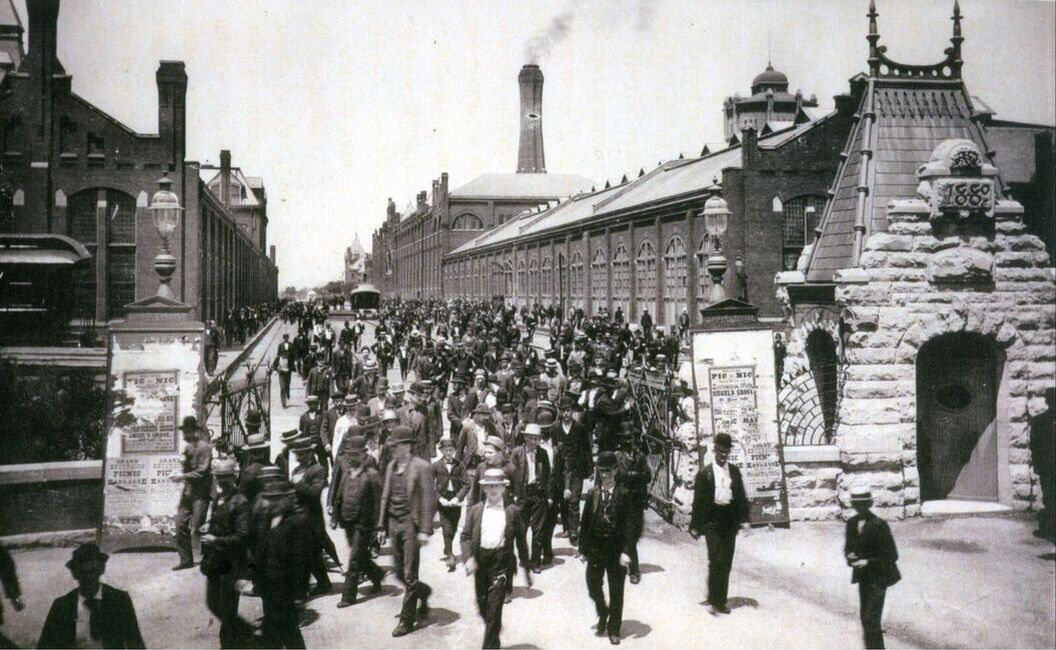
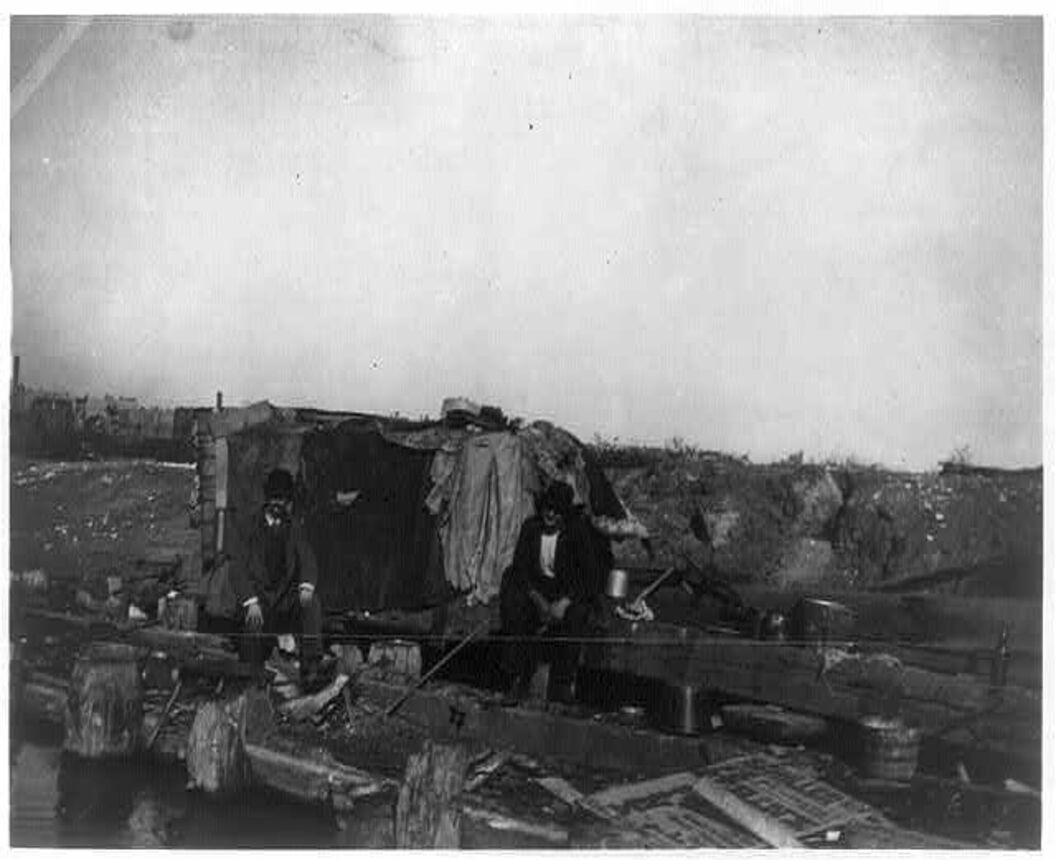
But the event that really put Labor Day on the map was the railroad Pullman Strike of 1894. At that time, railroad employees were among the most organized workers in the country. Railroad jobs included engineers, firemen, conductors, brakemen, switchmen, maintenance workers and other operating personnel.


The American Railway Union (ARU) was led by Eugene V. Debs and had grown dramatically to represent a variety railroad workers.

It was in 1894 that union workers became involved in a dispute with the Pullman Company after the company cut wages but maintained existing rents and prices in its company town. Things got so bad that the ARU called on railroad workers to refuse to handle trains carrying Pullman cars. Because Pullman sleeping cars were dominant throughout the country, this boycott caused major traffic disruption across all routes throughout the country. 

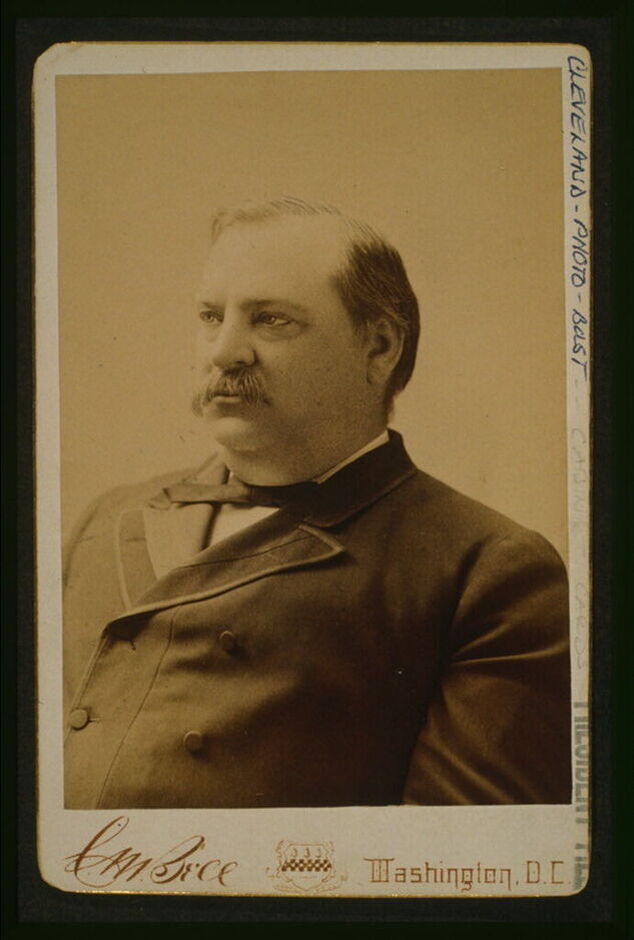
Things were focused on Chicago when President Grover Cleveland sent federal troops in to quell the violence. During the clashes, a number of people were killed. Eventually, the strike collapsed, Debs was imprisoned and the ARU was effectively destroyed.

Ironically, it was during that same year and during this terrible labor strife that President Cleveland established Labor Day as a national holiday. So while President Cleveland was sending in troops to control labor strife, he was also establishing a national holiday to honor these same kinds of workers. Strange times.

The importance of railroad labor continued to be a focus well into the 20th century. In fact, the Railway labor Act of 1926 continues to be the foundation of federal labor relations for both railroads and airlines to this day!

Learn more about the history of rail in our recent blog posts commemorating America’s 250th birthday! 

Akton Summit CVB logo