Celebrating Black History Month

Railroad Workers and Inventors Who Shaped American Railroading
Railroads helped build the United States. They connected towns, moved goods, created jobs, and fueled industrial growth. But the story of railroading is not only about locomotives and steel. It is also about people. Many of those people were African Americans whose labor, skill, and creativity shaped the industry in ways that are still felt today.
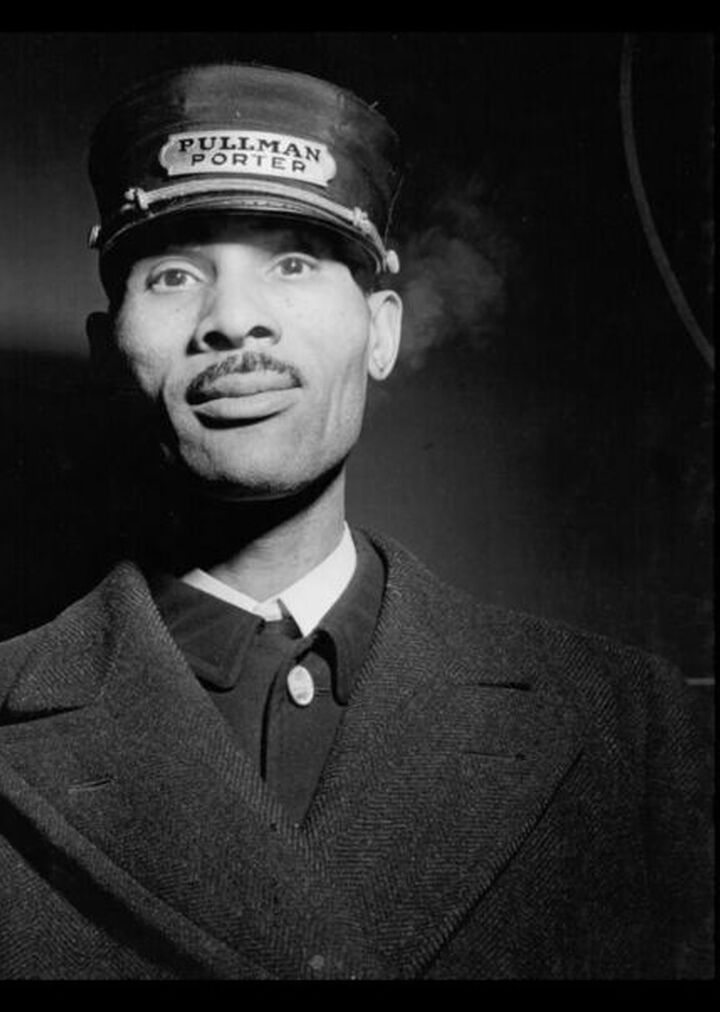
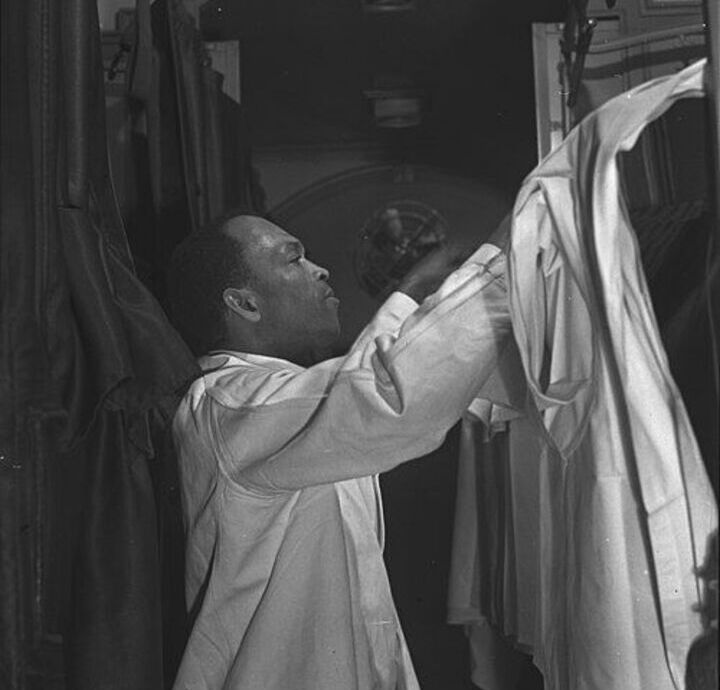
From Pullman porters who worked long hours serving passengers to inventors who made railroads safer and more efficient, these individuals helped move the nation forward, often while facing discrimination and limited opportunity.
Elijah McCoy and the Meaning of “The Real McCoy”
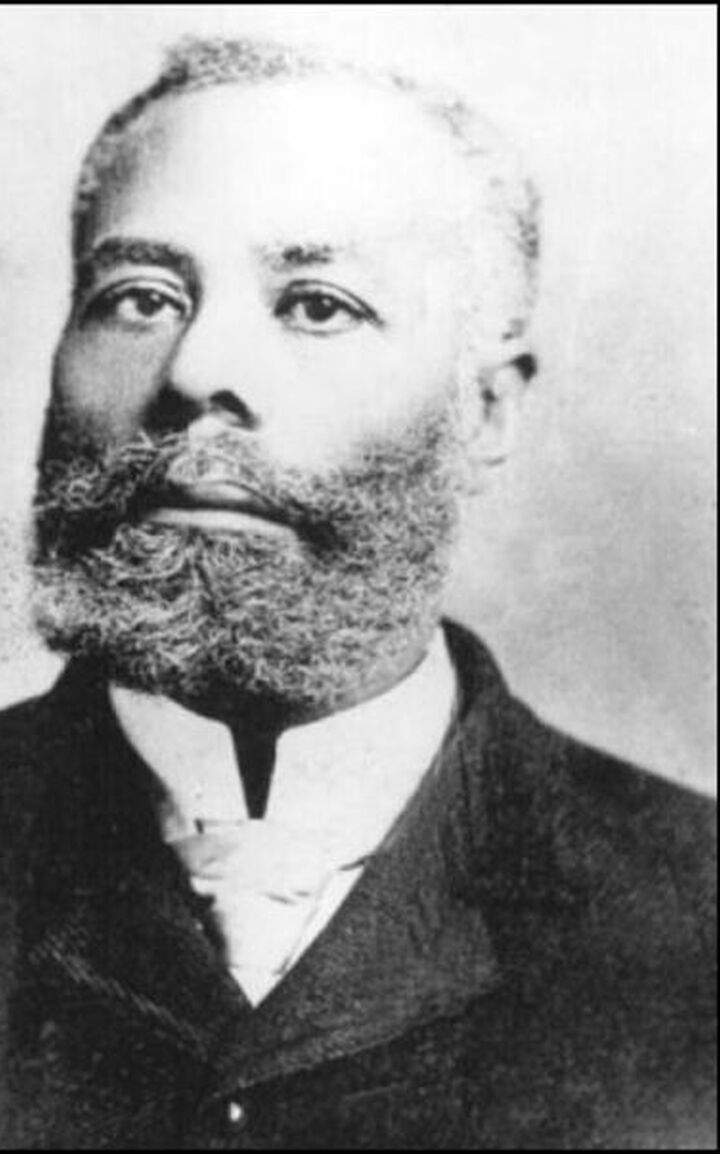
Elijah McCoy’s story is one of talent meeting resistance and persistence winning out. Born in 1844 to parents who had escaped slavery, McCoy was trained as a mechanical engineer in Scotland. When he returned to the United States, racism kept him from working as an engineer. Instead, he found work as a fireman and oiler on the Michigan Central Railroad.
While doing this work, McCoy noticed a serious problem. Steam engines had to stop frequently so workers could manually lubricate their moving parts. These stops slowed trains and caused wear on equipment. McCoy designed an automatic lubricator that allowed engines to stay properly oiled while in motion.
Railroads quickly saw the value of his invention. It worked better than competing designs, and engineers began asking specifically for McCoy’s version. This reputation for quality is widely believed to be the origin of the phrase “the real McCoy.”
McCoy went on to earn dozens of patents. His work improved efficiency and safety across the railroad industry and beyond. His success stands as a reminder that innovation often comes from those closest to the work itself.
Andrew J. Beard and Safer Railroads
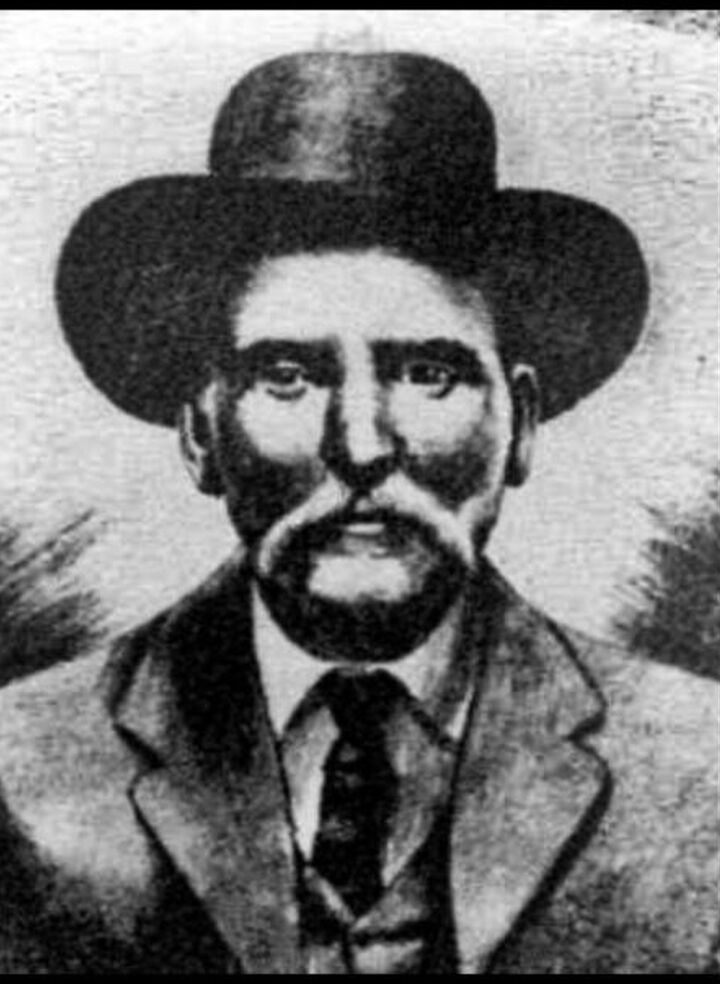
Railroading has always been dangerous work, especially in its early years. Andrew J. Beard knew this firsthand. Born into slavery in Alabama, Beard later worked in farming, milling, and railroads. During his time around trains, he was injured in an accident that cost him part of his leg.
Rather than stepping away from invention, Beard focused on making railroads safer. One of the most dangerous tasks for railroad workers was coupling rail cars by hand. Workers had to stand between cars as they came together, which often led to severe injuries or death.
Beard patented improvements to the automatic railroad car coupler in the 1890s, known as the “Jenny Coupler,” which dramatically reduced injuries among railroad workers.His design reduced the need for workers to put themselves in harm’s way and helped push the industry toward safer standards. His work saved lives and influenced safety regulations that followed.
Lewis Latimer and Lighting the Modern World
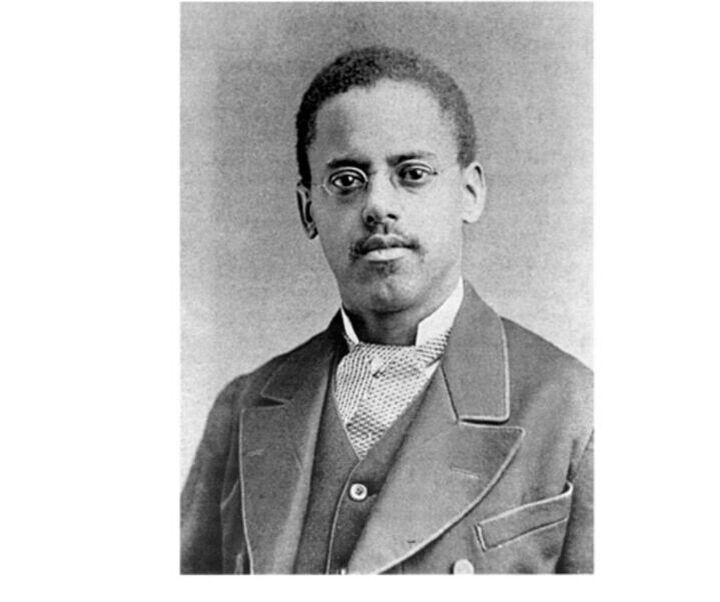
Lewis Howard Latimer’s contributions extended beyond railroads, but they were central to the industrial age that railroads helped create. Born in Massachusetts to parents who escaped slavery, Latimer taught himself drafting and engineering after serving in the Union Navy during the Civil War.
Latimer played a key role in developing a longer-lasting carbon filament for electric light bulbs. This improvement made electric lighting practical and affordable for homes, factories, and public spaces. He also worked on patent drawings for Alexander Graham Bell’s telephone and later became a key figure in Thomas Edison’s electric lighting company.
Latimer’s work helped bring reliable light to the modern world, extending productive hours and changing how people lived and worked.
Why These Stories Matter
The history of railroading is richer and more complete when we tell these stories. Pullman porters, Elijah McCoy, Andrew J. Beard, and Lewis Latimer were not side notes in history. They were builders, problem-solvers, and leaders whose contributions shaped transportation, industry, and everyday life.
Preserving railroad history means preserving the stories of the people who made it possible. By remembering their work, we gain a clearer understanding of where railroads have been and why they continue to matter today.
Sponsored by: